



Wondering about the level of security in shared vs managed hosting security? Shared hosting is cheaper but riskier due to shared resources. Managed hosting, though pricier, provides stronger security and more dedicated resources. This article compares their security features and risks, helping you make the best choice for your site.
Key Takeaways
- Shared hosting presents significant website security risks, including cross-site contamination and limited customisation options, making it vulnerable to breaches affecting multiple websites.
- Managed hosting enhances security with features like proactive monitoring, platform-specific protocols, and regular malware scans, providing a more robust defense compared to shared hosting.
- Investing in managed hosting can save businesses money in the long run by preventing costly data breaches and downtime, despite higher upfront costs.
Understanding Shared Hosting Security
Shared hosting, favoured by small businesses and individual site owners for its cost-effectiveness, entails numerous users utilising the same server resources such as CPU power, memory, and storage. This configuration enables providers of hosting services to reduce prices, but simultaneously raises several security concerns for the host.
The key security risk with this type of hosting arises from shared vulnerabilities across all websites hosted on a single server. When many accounts coexist on one server infrastructure, an exploit in any one website could have implications for all others housed alongside it. It is imperative that constant vigilance be maintained over prevalent susceptibilities and potential threats through meticulous monitoring of these collective security issues and risks.
Risks of Cross-Site Contamination
On a server where shared hosting is used, the security challenge known as cross-site contamination stands out. It takes place when all websites hosted on a common server are put at risk because one website’s breach isn’t properly cordoned off. For example, should an intruder leverage a weakness in any single site, it can lead to malware dissemination throughout the entire server.
Having numerous sites housed closely together on the same platform escalates their joint exposure to these breaches. The absence of effective separation implies that what starts as a security lapse within one website can swiftly escalate into an extensive issue that impairs both performance and safety for every site sharing space on that particular server.
Limited Customisation Options
In shared hosting scenarios, customisation opportunities are frequently constrained, which can impede the deployment of robust security protocols. For instance, users usually find themselves unable to establish automatic routines for backing up data—a constraint that notably affects the strength of security tactics such as DDoS mitigation and necessary regular backups.
Due to these restrictions on personalising their settings, individuals face difficulties in applying sophisticated security measures. Consequently, websites housed within shared hosting environments may be more susceptible to cyber threats. This lack of flexibility regarding customisation poses a considerable challenge for businesses aiming to bolster the security of their sites.
Impact of Server Overload
Over utilisation of resources by one user in a shared hosting environment can lead to server overload, resulting in diminished speeds or complete outages for all sites hosted on that server. Subpar website coding can also worsen these performance and security issues.
If an individual site experiences heavy traffic or is misused, it might disrupt the functionality of other websites on the same server. Such disturbances are particularly detrimental for businesses dependent on their e-commerce platforms to engage with customers and generate income.
Managed Hosting Security Benefits
A managed hosting provider offers a heightened level of security and robustness compared to shared hosting options. Managed hosting providers often include advanced protective measures, such as continuous evaluations for vulnerabilities and customised security protocols dedicated to platforms like WordPress, features that are not typically found with shared hosting services. This makes managed hosting an attractive choice for businesses seeking stronger security solutions.
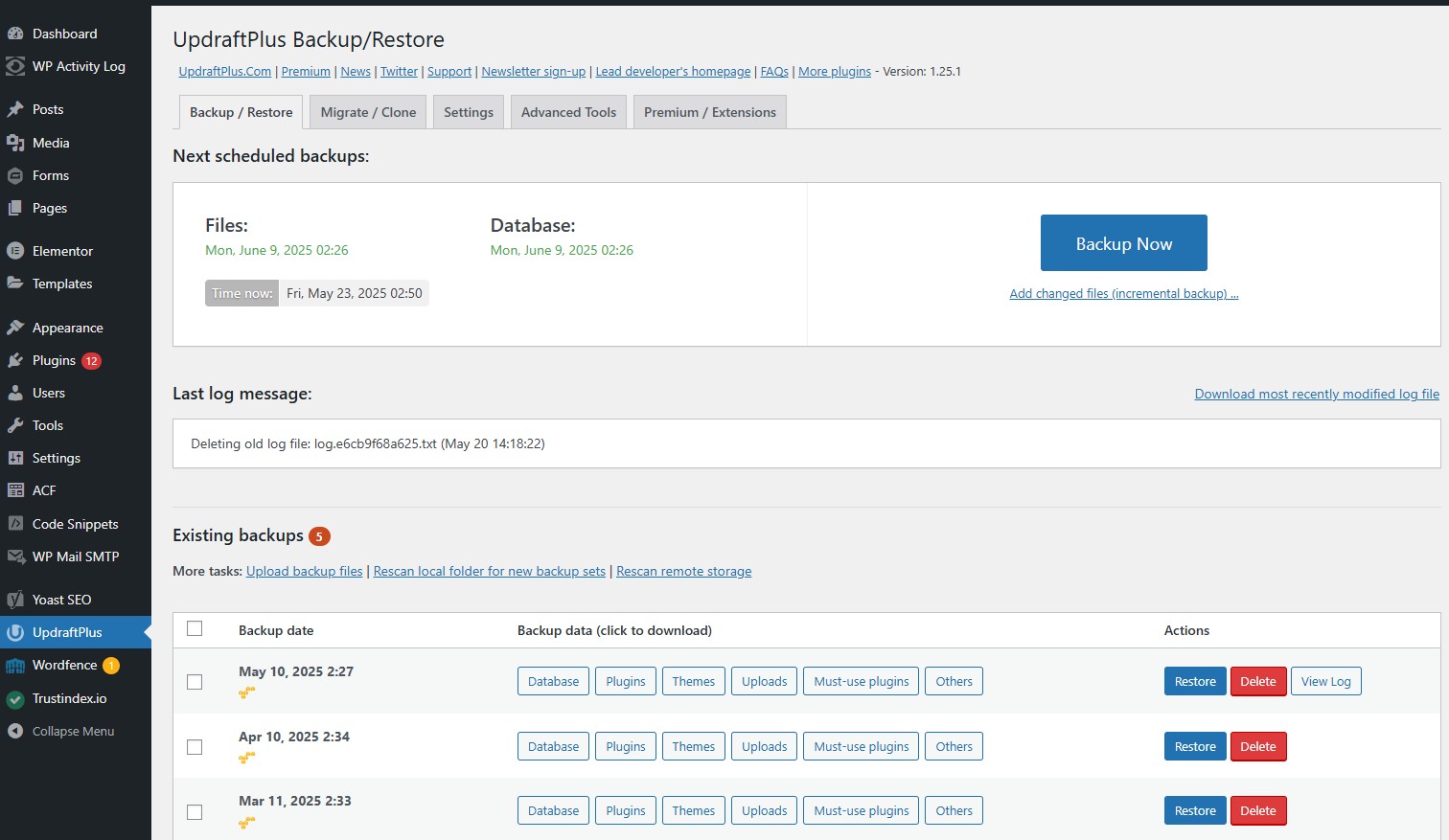
With its comprehensive approach to safeguarding websites, the multi-tiered defensive strategy substantially enhances website defences. Providing top-notch DDoS protection, conducting routine scans for malware, and executing automated backups are among the range of proactive security functionalities offered by managed providers designed to help secure your business operations online.
Proactive Monitoring and Intrusion Detection Systems
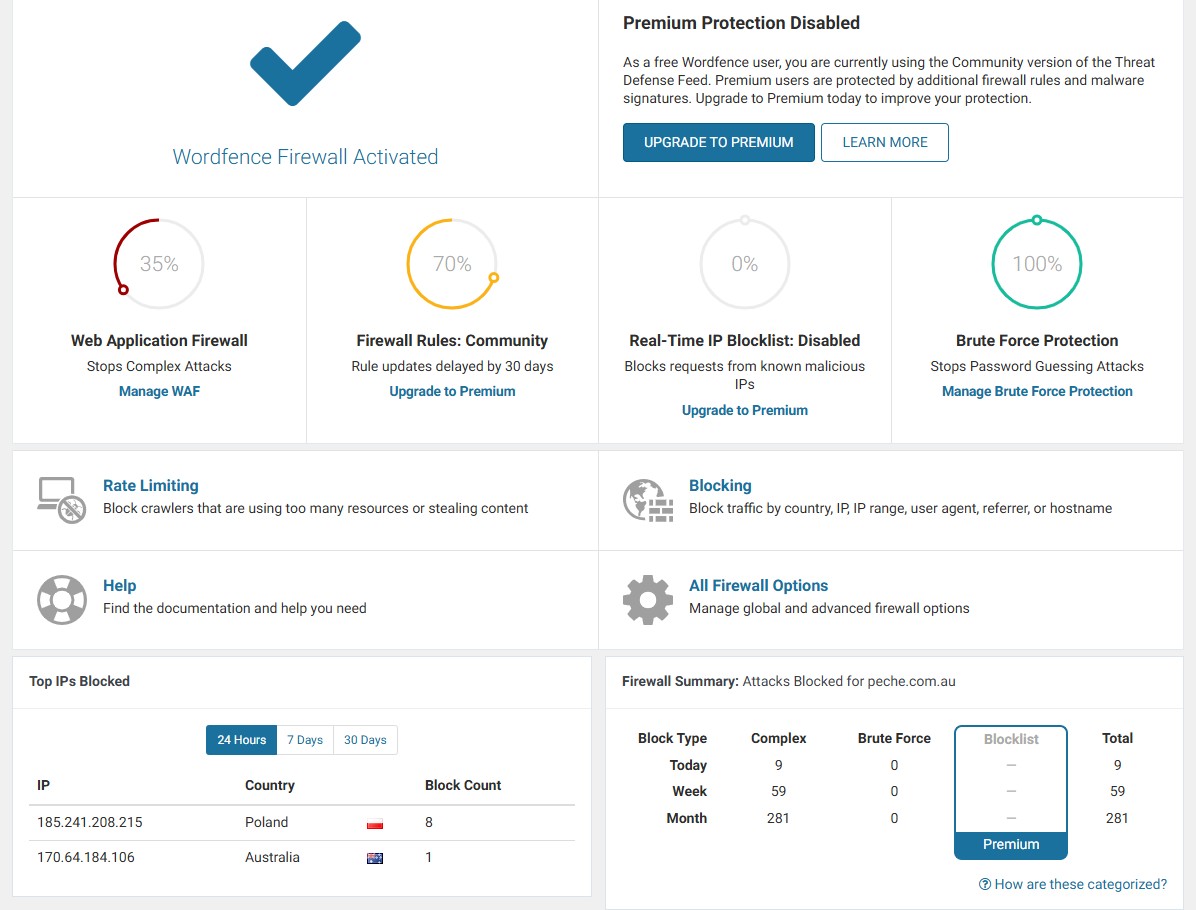
Managed hosting distinguishes itself with its proactive monitoring capabilities. Services in managed hosting are designed to consistently monitor servers for any signs of abnormal activities, enabling the early detection of possible threats that could develop into serious issues. By ensuring quick identification and resolution of security breaches, this vigilant approach significantly bolsters the safety and integrity of hosted environments.
To amplify this protection, intrusion detection systems are employed as a formidable line of defense against prospective hazards. These systems scrutinise network activities vigilantly and promptly notify administrators about any irregular or suspect actions, guaranteeing an efficient reduction in security risks through timely interventions.
Platform-Specific Security Measures
A managed hosting service provides customised security protocols that cater to distinct platforms. In particular, managed WordPress hosting is equipped with specialised security setups crafted to counteract weaknesses inherent to WordPress. This strategy of platform-specific protection guarantees optimal security alignment for each platform’s distinctive needs. When conducting a managed WordPress hosting comparison, it’s evident that managed hosting offers superior security features tailored specifically for WordPress sites.
This bespoke approach boosts the overall defence of websites on managed platforms, delivering a heightened level of security compared to the generic methodologies typically employed by shared hosting services and e-commerce platforms. This enhanced protection incorporates the use of specific tools like cPanel.
Regular Malware Scans and Automatic Backups
Managed hosting is pivotal in safeguarding websites, primarily through regular malware scans which serve as a preventive measure. This vigilance includes constant security vulnerability assessments and the implementation of necessary software updates to preserve your website’s safety and stability.
Incorporating automated backups within managed hosting provides an extra tier of defense. Should data loss occur, these routine backups facilitate swift restoration of information, curtailing potential downtime and averting financial implications. Together, consistent malware scanning along with systematic backups forge a formidable security infrastructure that bolsters confidence among website proprietors while bolstering disaster recovery capabilities.
Comparing Security Measures: Shared vs Managed Hosting
Security measures significantly vary between shared hostin